COVID-19 and “Zombie Cells” in the Brain: Could a Real Zombie Outbreak Ever Happen

27 views
15 hours ago
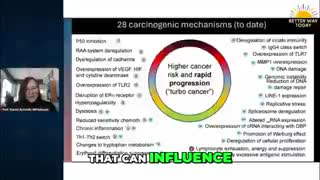
Could COVID-19 really create “zombie cells” in the human brain, and does that make a zombie outbreak scientifically possible? The reality is stranger than the headline. Researchers have found evidence that severe COVID-19 is associated with cellular senescence, a biological state in which damaged or stressed cells stop dividing but can continue releasing inflammatory signals. Studies of human brain tissue, brain organoids and animal models have reported increased markers of senescent cells following SARS-CoV-2 infection. ([nature.com](https://www.nature.com/articles/s43587-023-00519-6))
But “zombie cells” are not zombies. They do not turn humans into aggressive, undead creatures. The term is a popular nickname for senescent cells, and the scientific evidence does not show that COVID-19 can cause zombie-like behavior or a zombie outbreak.
So why are scientists studying these cells? Could persistent inflammation and cellular aging contribute to neurological problems after infection? What happens when a virus alters the biology of brain cells? And how far can we take the comparison before science turns into science fiction?
This investigation explores the real research behind COVID-19, brain aging, cellular senescence and the provocative idea of a zombie outbreak. The evidence is disturbing enough on its own, but the truth may be very different from the viral headlines.
Add to
Please Sign In or Create Account to use this feature!
Flag Video
Please Sign In or Create Account to use this feature!
Rate video
Please Sign In or Create Account to use this feature!
Rate video
Please Sign In or Create Account to use this feature!
Follow
Please Sign In or Create Account to use this feature!
Subscribe
Please Sign In or Create Account to use this feature!
Up next
Autoplay
Autoplay